
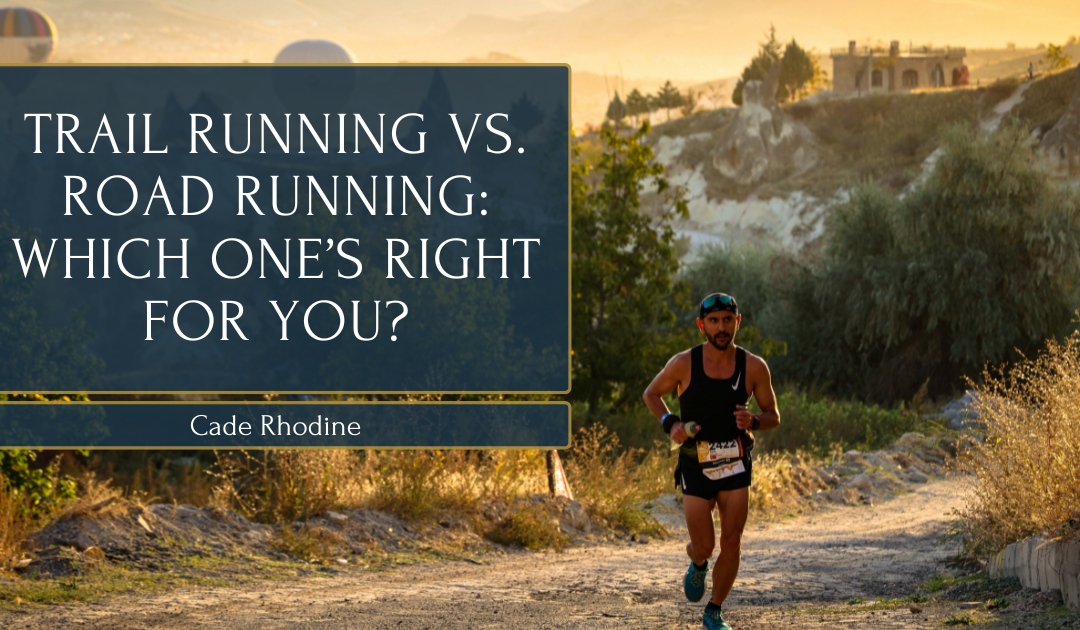
Running is one of the most accessible and versatile forms of exercise, but not all running surfaces offer the same experience. Two popular styles—trail running and road running—each offer their own unique set of benefits and challenges. Choosing between the two depends on your fitness goals, personal preferences, and access to running environments. Let’s explore the differences between trail running and road running to help you decide which one is right for you.
Trail running takes place on natural surfaces like dirt paths, forest trails, mountains, and grassy terrains. It often involves elevation changes, uneven surfaces, rocks, roots, and narrow paths. In contrast, road running typically occurs on paved surfaces like sidewalks, city streets, or bike paths. These routes are generally flatter, more predictable, and easier to navigate.
One of the primary appeals of trail running is its connection to nature. Running through forests, hills, or along scenic paths can be mentally refreshing and reduce the monotony that sometimes accompanies urban routes. The changing scenery, fresh air, and peaceful surroundings create a meditative and immersive experience that many runners find invigorating.
On the other hand, road running offers a straightforward and consistent surface. This makes it easier to maintain a steady pace and focus on time, distance, and performance. For runners training for races like 5Ks, 10Ks, half-marathons, or marathons—most of which take place on paved roads—road running provides an ideal training environment that mirrors race conditions.
Trail running is generally considered more demanding than road running due to its varied terrain. Navigating rocks, mud, hills, and other obstacles requires more focus, agility, and muscle engagement. As a result, trail running can improve your balance, strengthen your core and stabilizer muscles, and offer a great cardiovascular workout with less impact on your joints. The softer surfaces are gentler on your knees and hips compared to concrete or asphalt.
In contrast, road running places more repetitive stress on your joints due to the harder surfaces. However, it also allows for greater speed and rhythm, making it ideal for those who enjoy tracking their pace, setting time goals, and pushing personal limits. Road routes are typically easier to plan and measure using GPS or fitness trackers, and running in urban areas often means better access to water stops, bathrooms, and public transportation.
Another key difference is gear. Trail running often requires more specialized footwear with better grip, thicker soles, and reinforced toes to handle rough terrain and protect your feet. Hydration packs, weather-appropriate clothing, and even trekking poles can be useful for longer trail runs. In contrast, road running gear tends to be lighter and more minimal, with a greater emphasis on breathable clothing and shoes built for pavement.
Safety is an important consideration for both types of running. Trail runners may encounter wildlife, unpredictable weather, or isolated areas with limited cell service, so preparation is crucial. It’s wise to carry a map, tell someone your route, or run with a partner. Road runners, particularly in urban areas, need to be alert for traffic, cyclists, and pedestrians. Reflective clothing, proper lighting, and awareness of your surroundings are essential when running on or near roads.
Motivation can also play a role in your choice. If you thrive on variety, exploration, and don’t mind getting a little dirty, trail running may provide the adventure and sense of freedom you’re looking for. If structure, convenience, and goal-oriented training are more your style, road running might be the better fit.
Ultimately, there’s no one-size-fits-all answer. Many runners enjoy incorporating both types of running into their routine. Alternating between trails and roads can reduce the risk of overuse injuries, keep things interesting, and target different aspects of fitness. You may find that trail running helps you unwind from a hectic week, while road running satisfies your competitive or performance-based goals.
Both trail and road running offer immense physical and mental health benefits. Choosing the right one comes down to what motivates you, the experience you’re seeking, and your environment. Whether you find joy in the rhythm of the city streets or the serenity of a wooded path, the most important thing is to keep moving forward—one step at a time.